
Hypothyroidism in pregnancy
What is hypothyroidism?
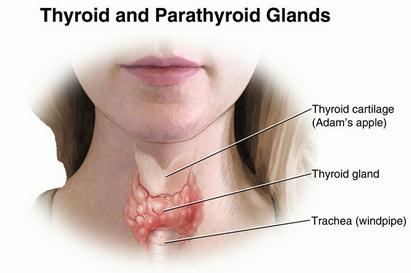
In our neck have a gland the thyroid gland. One of its main products is thyroid hormone. This hormone helps to control how the body uses and stores energy.
Hypothyroidism is medical term used to describe the medical condition when a person does not produce enough thyroid hormone.
What are the symptoms of hypothyroidism?
Mild hypothyroidism might be completely asymptomatic. However, most people with hypothyroidism feel tired. On occasions it is difficult to diagnose as there a lot of conditions that can make you tired.
Common symptoms of hypothyroidism include:
- Lack of energy, feeling tired all the time
- Feeling cold all the time
- Developing coarse or thin hair
- Getting constipated
In women, hypothyroidism can disrupt ovulation (production of an egg). As a result these women have irregular periods which can make it hard to get pregnant.
In women who do get pregnant, untreated hypothyroidism can cause problems. It has been clearly link with increased risk for a miscarriage and developmental / mental problems of the baby.
As you can see from the list of symptoms most of them common in normal pregnancies especially during the first trimester which makes it very difficult to diagnose mild form of hypothyroidism based on the symptoms.
Is there a test for hypothyroidism?
Read more about who is at risk for hypothyroidism and find out answers on common question about hypothyroidism in pregnancy
Yes. Hypothyroidism can be diagnosed by a routine blood test.
How is hypothyroidism diagnosed?
This is based on the levels of a hormone called TSH (responsible to make the thyroid gland produce thyroxine ) and the levels of T3 and T4 (two forms of thyroid hormone in our body).
Please note the normal TSH levels during pregnancy are the following (they differ from the accepted normal range in non pregnant women):
- First trimester: less than 2.5 with a range of 0.1-2.5 mIU/L
- Second trimester:0.2-3.0 mIU/L
- Third trimester:0.3-3.0 mIU/L
Your obstetrician / GP will decide the best way to follow up depending on their expertise, the medical setting and the actual lab results.
In summary overt hypothyroidsm is best dealt/ treated with the help of your endocrinologist.
Untreated hypothyroidism can impair the baby’s mental development. It does also significantly increases the risk for preterm delivery, low birthweight babies, and miscarriage.
The value of treatment in cases of Subclinical hypothyroidism ( high TSH but normal T4 ) is still debated by some. There are studies that have shown lower IQ in children of untreated women.
Who should be tested for hypothyroidism in pregnancy?
Many obstetricians will include screening for thyroid problems in the routine early pregnancy testing. Some will try and target those at higher risk for hypothyroidism in pregnancy.
The following factors put women at increased risk for thyroid problems:
- Age over 30;
- Living in an area with known low iodine in the diet;
- Personal or family history of thyroid problems, diabetes, history of miscarriage, infertility, or preterm delivery;
- Overweight BMI of 40 or higher;
Given the higher average age of mothers in Dubai and the high prevalence of diabetes in Arabic and Middle East population most of antenatal patients would be eligible for testing even with a targeted approach.
What is the treatment for hypothyroidism in pregnancy?
The treatment of hypothyroidism in a pregnant woman is adequate replacement of thyroid hormone.
Ideally, women with thyroid disease should have their Thyroxine dose optimized before getting pregnant and should have their thyroid function tested as soon as pregnancy is detected.
Thyroxine requirements frequently increase during pregnancy and the dose should be changed by their physician as needed.
Important tip;
Iron containing prenatal vitamins can interfere with the thyroxine absorption. So make sure you do not take them at the same time an allow 2-3h between them. The best time to take your thyroxine is first thing in the morning.
You need to check your thyroid function regularly to ensure the adequate replacement of the thyroid hormone throughout the pregnancy.
Dr George Michailidis, Obstetrician and Gynecologist
Fetal and Maternal Medicine Consultant

