
 Preterm premature birth is the leading cause of neonatal death and long term morbidity. It has a huge impact in the affected families with both physical and psychological implications. From the provider health-care system point of view employing effective screening and treatment methods translates in major good outcome benefits including great health care savings.
The American College of Obestrics and Gynecology and the Society of Maternal Fetal Medicine have recently published their position on the issue of screening and prevention of preterm birth.

Both Societies acknowledged the importance of cervical length as a predictor of preterm labor and the efficacy of vaginal progesterone in improving pregnancy outcomes
In summary the some of the SMFM recommendations are the following
1 In women found to have a prematurely short cervix are at high risk for preterm labour and should be treated
2 Use of progesterone is associated with lower risk for preterm birth in some pregnant women, as well as with better neonatal outcomes

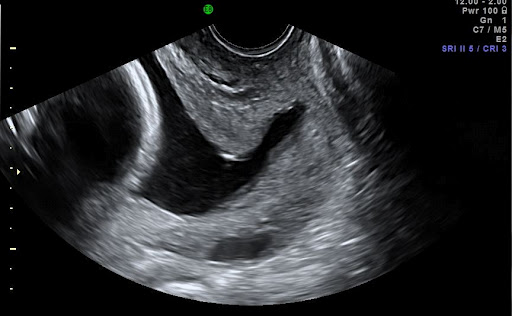
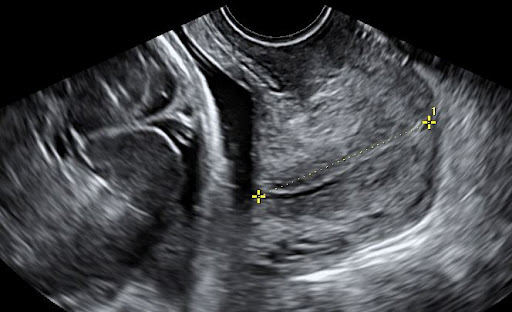
3 Because of the high prevalence and public health burden of preterm birth, experts recommend universal cervical length measurement, which meets World Health Organisation criteria for an effective screening test.
Preterm labor in Dubai there are additional issues that the family physician need to consider. The availability and of neonatal unit beds, the high costs of care for the baby, the rather fragmented after care. See our blog What you need to know about preterm labor in Dubai.
The best approach is prevention. A methodical approach including your detailed history and Cervical measurement done by qualified and experienced clinicians is likely to give the best results. Discuss with your obstetrician the best way to tackle preterm labour. Feel free to contact us for further information.
 Dr George Michailidis, Obstetrician and Gynecologist
Fetal and Maternal Medicine Consultant
Addtional resourses
Berghella, V., The Society for Maternal-Fetal Medicine:
Publications Committee, Progesterone and Preterm Birth Prevention: Translating Clinical
Trials Data into Clinical Practice, American Journal of Obstetrics and
Gynecology (2012), doi: 10.1016/j.ajog.2012.03.010.


