Pregnancy in Dubai

Advice & information on common pregnancy problems by a Fetal & Maternal Medicine Consultant


Leave a comment

Recurrent and late miscarriage – tests and treatment of couples: information for you / by RCOG

Having a miscarriage is a sad event for all families. Having multiple or a late in pregnancy miscarriage can be devastating. The RCOG has put together a well balanced leaflet summarising current knowledge, recommended tests and best treatments to help parents.
This can be downloaded at the following link  


Recurrent and late miscarriage – tests and treatment of couples: information for you


Dr George Michailidis, Obstetrician and Gynecologist 

Fetal and Maternal Medicine Consultant 
N9ne Medical Institute , Dubai UAE


Leave a comment

Elective birth at 37 weeks gestation safer for mothers carrying uncomplicated twins, new research suggests


Best time to deliver Twins !

Elective birth at 37 weeks gestation safer for mothers carrying uncomplicated twins, new research suggests | Royal College of Obstetricians and Gynaecologists: “BJOG release: Elective birth at 37 weeks gestation safer for mothers carrying uncomplicated twins, new research suggests

A recent Australian study addressed the question; when is the best time to deliver for a mother with an uncomplicated twin pregnancy. Twin pregnancies are frequently complicated by preterm birth (almost half deliver before 37 weeks) but for those with an otherwise normal antenatal course there has been some debate about the best time for delivery.
The Australian group looked at the outcome of 235 twin pregnancies. For those who elective delivered at 37 weeks the risk for adverse baby outcomes was significantly better (4.7 V 12.2%). There were no increases in the maternal adverse events with the intervention (1.7% for the 37 weeks V 5.9% for the standard care).
Dr George Michailidis, Obstetrician and Gynecologist 
Fetal and Maternal Medicine Consultant 
N9ne Medical Institute , Dubai UAE


Leave a comment

Preterm birth and cervical length screening in Dubai

Preterm premature birth is the leading cause of neonatal death and long term morbidity. It has a huge impact in the affected families with both physical and psychological implications. From the provider health-care system point of view employing effective screening and treatment methods translates in major good outcome benefits including great health care savings.


The American College of Obestrics and Gynecology and the Society of Maternal Fetal Medicine have recently published their position on the issue of screening and prevention of preterm birth. 

Both Societies  acknowledged the importance of cervical length as a predictor of preterm labor and the efficacy of vaginal progesterone in improving pregnancy outcomes 


In summary the some of the SMFM recommendations are the following
1 In women found to have a prematurely short cervix are at high risk for preterm labour and should be treated

2 Use of progesterone is associated with lower risk for preterm birth in some pregnant women, as well as with better neonatal outcomes


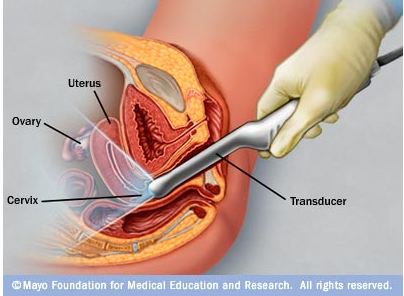
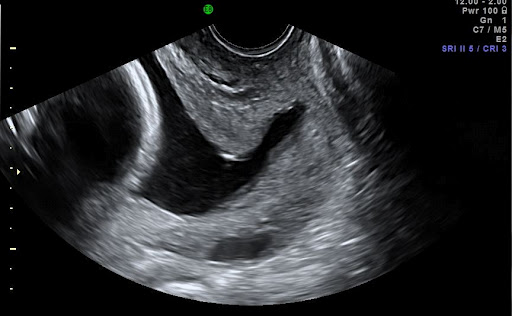
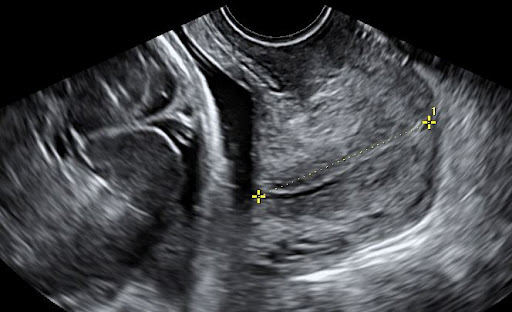
3 Because of the high prevalence and public health burden of preterm birth, experts recommend universal cervical length measurement, which meets World Health Organisation criteria for an effective screening test.

Preterm labor in Dubai there are additional issues that the family physician need to consider. The availability and of neonatal unit beds, the high costs of care for the baby, the rather fragmented after care. See our blog What you need to know about preterm labor in Dubai.

The best approach is prevention. A methodical approach including your detailed history and Cervical measurement done by qualified and experienced clinicians is likely to give the best results. Discuss with your obstetrician the best way to tackle preterm labour.  Feel free to contact us for further information.


Dr George Michailidis, Obstetrician and Gynecologist 
Fetal and Maternal Medicine Consultant 
N9ne Medical Institute , Dubai UAE


Addtional resourses 


Berghella, V., The Society for Maternal-Fetal Medicine: 
Publications Committee, Progesterone and Preterm Birth Prevention: Translating Clinical 
Trials Data into Clinical Practice, American Journal of Obstetrics and 
Gynecology (2012), doi: 10.1016/j.ajog.2012.03.010.


Leave a comment

Packing your bag for Labor in Dubai – what is best to bring to Hospital for your labor

What is best  to pack for the hospital

Packing your bag for Labor in Dubai – what is best to bring to Hospital for your labor 


Your stay at Hospital may be from one to four days. A bag should be prepared with clothes and supplies to help make your stay most comfortable.  
Some mums might decide is best to prepare two separate bags one for labor and one with all those things that you will need only after you have given birth.
It would be a good idea to prepare your bag from 37 weeks as for most mothers  there is a good chance to start your labor deliver in the period 38-41 weeks.
Here are a few suggestions / advice on what is best to pack for hospital…


For labor – Mum

 ID;
·         Copies of Passports for Mom & Dad,
·         Marriage Certificate ( the last one you will need for registering the baby afterwards in Dubai UAE )
·         Insurance cards
Antenatal Notes/Booklet your birth plan
Your eyeglasses / contact lenses
Clothes;
·         Pyjamas – nightgown
·         a few underwear
·         a couple bras and perhaps include a nursing bra
·         slippers
·          consider a robe that you can wear to walk while in early labor
Toiletries are supplied in each hospital room but you may want to bring your own
·         toothbrush, toothpaste
·         shampoo,
·         sanitary pads…
Additional items that some parents may want to enhance your labor experience and help them relax :
·         Pregnancy Pillow (a colourful pillow case will make it stand out from the hospital ones)
·         Music/movies/ipad – may need to find some good apps /laptop/books –magazines especially if you are having an induction of labor as it may take some time before you are in strong labor.
·         Birthing balls are provided (but you may bring your own)
·         Water Bottle/ mints or candies/ Lip Balm/.

·         Some people find pictures of loved ones useful to focus on and relax
·         Tens Machine are not provided, but you may bring your own


what the father should pack for labour

For your partner

·         Mobile phone (& Charger),
·         laptop wireless is available!
*And most important, a Camera / camcorder ! (Charger/ batteries/ memory cards)
·         Comfortable shoes / clothes. Partners at the best private maternity hospitals in Dubai are usually allowed to stay with you during labor and can stay in the room after delivery


For Baby

·         4 sets of 
v  receiving blankets
v  Sleepers
v  Undershirts/’onsies’ Baby hats/toques
·         One warm blanket
·         One package of newborn diapers, and baby wipes
·         A “Going Home’ Outfit!
·         An approvednewborn car seat

Additional Things that you will need after labor

Clothes;
Nursing bras, comfortable regular bras (your breasts will be swollen and tender)
Maternity under pants. Many mothers will use the hospital provided mesh underpants.
The clothes you will wear to go home. Should at best be comfortable as you expected to still have a tummy after delivery.


This blog was prepared with the help of  
Kim F. Midwife at N9ne Medical Institute Dubai


Dr George Michailidis, Obstetrician and Gynacologist 
Fetal and Maternal Medicine Consultant 
N9ne Medical Institute , Dubai UAE


Leave a comment

Screening for Down’s syndrome in twin pregnancies.

Screening for Down’s syndrome in twin pregnancies.
Twins and higher order multiple pregnancies are increasingly becoming more common. Fertility services have had a major impact in the changing incidence of multiple pregnancies. 
This is especially true in Dubai. Social pressures to achieve pregnancy quickly, private medicine practices, higher average income; all make couples more likely to see a fertility specialist.
Having some of the best fertility specialists practicing in Dubai and the neighbouring emirates results in more twins and multiple pregnancies. 
Twin and higher order multiple pregnancies pose extra challenges even for the best obstetricians when it comes to screening and diagnostic tests forDown’s syndrome (T21). 
1. Age related risk 
In Dubai the female population has its own distribution with more mothers in the age group of 35 -40. This is due to the structure of the expatriate group who tend to be higher end professionals and their families at their peak of their carriers. Screening and diagnostic tests for Down’s syndrome T21 are even more important for these mothers due to their high background risk (age related) for chromosomal anomalies. Twins naturally tend also to be more common in mothers of advanced age. 
2. Twins; double the risk ?
 
As we mentioned at an earlier blog for twin pregnancies determining thechronicity (i.e. monochorionic or dichorionic twin pregnancy) is of paramount importance. Without getting in detail about pregnancy complications like twin to twin transfusion syndrome regarding the risk for T21 you should know the following;
a. Monochorionic twins ; they are identical twins. One embryo splits at an early stage resulting in 2 fetuses (babies). Both babies have the same genetic information and the risk for T21 (Down’s sydrome) is THE SAME as if there was ONE only baby.
b. Dichorionic twins; they are most commonly fraternal – non identical twins (90%). The risk for each one of them being affected by T21 is calculated individually meaning each baby has its own risk.
The risk for ANY ONE of them being affected by T21 is the calculated by ADDING the two risks. 
baby one risk 1/100  baby two 1/200  calculated risk 3/200 1.5/100  approx 1/66
3. Nuchal translucency in monochorionic twins

In monochorionic twins increased nuchal translucency in one baby can be a sign of twin to twin transfusion syndrome.
4. What about the blood tests for Down’s syndrome?
Although they seem to improve somewhat the overall results of the test their influence is not as strong as in singleton pregnancies. Only recently publications dealt with reference range specific for twins. Their results must be very carefully interpreted. 
In cases were pregnancy has started as twin and one of the babies has not developed – miscarried, blood tests for Down’s syndrome may give very misleading results. 
First trimester screening by using the nuchal translucency and other markers (nasal bone etc) is the best option for screening for Down’s syndrome.
First trimester ultrasound scan that screens for major structural anomalies, determines the chronicity, determine the gestational age and screens for T21 is your best option. 
4. What are you going to do faced with a positive high risk for Down’s result?
This should be best discussed with your Doctor before the test. Good Obstetricians will explain your options for both the best screening and diagnostic tests. The screening should be performed by the best qualified professionals.
A fetal medicine specialist should be involved when diagnostic tests like amniocentesis or chorionic villus sampling CVS are considered due to the complexity of the procedures and the increased risks.
Discuss screening with your Obstetrician / Fertility Doctor. They should be able to give you good advice and refer you to a reliable Medical Institute for screening.
Dr George Michailidis, Obstetrician and Gynecologist 
Fetal and Maternal Medicine Consultant 
N9ne Medical Institute , Dubai UAE


Leave a comment

Hypothyroidism in pregnancy


 Hypothyroidism in pregnancy

What is hypothyroidism?

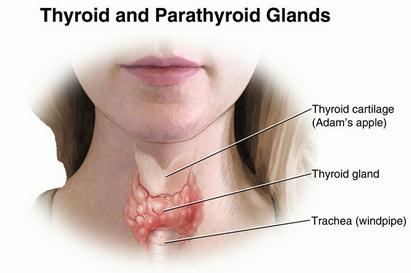
In our neck have a gland the thyroid gland. One of its main products is thyroid hormone. This hormone helps to control how the body uses and stores energy.

Hypothyroidism is medical term used to describe the medical condition when a person does not produce enough thyroid hormone.

What are the symptoms of hypothyroidism?

Mild hypothyroidism might be completely asymptomatic. However, most people with hypothyroidism feel tired. On occasions it is difficult to diagnose as there a lot of conditions that can make you tired.

Common symptoms of hypothyroidism include:

  • Lack of energy, feeling tired all the time
  • Feeling cold all the time
  • Developing coarse or thin hair
  • Getting constipated

In women, hypothyroidism can disrupt ovulation (production of an egg). As a result these women have irregular periods which can make it hard to get pregnant.
In women who do get pregnant, untreated hypothyroidism can cause problems. It has been clearly link with increased risk for a miscarriage and developmental / mental problems of the baby.
As you can see from the list of symptoms most of them common in normal pregnancies especially during the first trimester which makes it very difficult to diagnose mild form of hypothyroidism based on the symptoms.
Is there a test for hypothyroidism?
Read more about who is at risk for hypothyroidism and find out answers on common question about hypothyroidism in pregnancy

Yes. Hypothyroidism can be diagnosed by a routine blood test.

How is hypothyroidism diagnosed?

This is based on the levels of a hormone called TSH (responsible to make the thyroid gland produce thyroxine ) and the levels of T3 and T4 (two forms of thyroid hormone in our body).
Please note the normal TSH levels during pregnancy are the following (they differ from the accepted normal range in non pregnant women):

  • First trimester:        less than 2.5 with a range of 0.1-2.5 mIU/L
  • Second trimester:    0.2-3.0 mIU/L
  • Third trimester:       0.3-3.0 mIU/L

Your obstetrician / GP will decide the best way to follow up depending on their expertise, the medical setting and the actual lab results.
In summary overt hypothyroidsm is best dealt/ treated with the help of your endocrinologist.
Untreated hypothyroidism can impair the baby’s mental development. It does also significantly increases the risk for preterm delivery, low birthweight babies, and miscarriage.
The value of treatment in cases of Subclinical hypothyroidism ( high TSH but normal T4 ) is still debated by some. There are studies that have shown lower IQ in children of untreated women.

Who should be tested for hypothyroidism in pregnancy?

Many obstetricians will include screening for thyroid problems in the routine early pregnancy testing. Some will try and target those at higher risk for hypothyroidism in pregnancy.
The following factors put women at increased risk for thyroid problems:

  • Age over 30;
  • Living in an area with known low iodine in the diet;
  • Personal or family history of thyroid problems, diabetes, history of miscarriage, infertility, or preterm delivery;
  • Overweight BMI of 40 or higher;

Given the higher average age of mothers in Dubai and the high prevalence of diabetes in Arabic and Middle East population most of antenatal patients would be eligible for testing even with a targeted approach.

What is the treatment for hypothyroidism in pregnancy?

The treatment of hypothyroidism in a pregnant woman is adequate replacement of thyroid hormone.
Ideally, women with thyroid disease should have their Thyroxine dose optimized before getting pregnant and should have their thyroid function tested as soon as pregnancy is detected.
 Thyroxine requirements frequently increase during pregnancy and the dose should be changed  by their physician as needed.
Important tip;
Iron containing prenatal vitamins can interfere with the thyroxine absorption. So make sure you do not take them at the same time an allow 2-3h between them. The best time to take your thyroxine is first thing in the morning.
You need to check your thyroid function regularly to ensure the adequate replacement of the thyroid hormone throughout the pregnancy.

Dr George Michailidis, Obstetrician and Gynecologist 
Fetal and Maternal Medicine Consultant 
N9ne Medical Institute , Dubai UAE


Leave a comment

Nutrition in Pregnancy; Vitamin D

Nutrition in Pregnancy; Vitamin D

Over the last few years a number of studies have highlighted vitamin D deficiency as an important risk factor for pregnancy complications. Epidemiological studies have linked vitamin D with conditions like diabetes, low birthweight, pre-eclampsia. There is also good evidence that extreme deficiency can lead to neonatal rickets and bone fractures.
Despite this the ACOG has issued a statement that routine screening for vitamin D deficiency is not recommended in low risk women. This was based on the lack of good quality evidence to inform general public recommendations.
Let’s try and review some facts about vitamin D. 


What is a Vitamin D ? What does it do?
It is a fat soluble vitamin that helps our body to regulate the amount of calcium and phosphorus. Both of these minerals are very important for our bones and teeth.
How do I get it?
·         Few foods have vitamin D. Good food sources are oily fish (like sardines) and eggs.
·         In many countries governments add vitamin D to milk, fat spreads or breakfast cereals. 
·         However the largest amount is produced by our body at our skin when this is exposed to sunlight.
Most people with a healthy diet and enough sun exposure do not need vitamin D supplements.
 Read more about who is at risk for vitamin D deficiency and find out answers on common question about vitamin D supplementation in pregnancy

Who is at risk for vitamin D deficiency?
·         People older than 65
·         Obese people
·         People with dark skin ( such as Africans)
·         People who have limited sun exposure.
o   These can be people who live indoors for long periods of  
time,
o   people who routinely cover up their skin for religious and cultural reasons
o    people who live in countries with limited sunlight throughout the year .
·         Pregnant and breastfeeding mothers

What is the right dose for supplementation?

 For most adults not at high risk groups 600iu/day is adequate. Doses up to 4000IU/day are considered safe.  

Questions

I am planning to get pregnant; I am worried and confused what to do?

·         If you not in any of the high risk groups there is no need to be particularly worried. Following a healthy diet with reasonable sun exposure is the best and should be enough. You may consider pregnancy multivitamin that will have a combination of folic acid, vitamin D and other useful micronutrients particularly if you have a hectic urban professional lifestyle.
·         If you are at a high risk group (this would apply to many women from the Middle East – UAE as well as mothers from the Subcontinent) and especially if you have multiple factors ie limited sun exposure, overweight, multiple pregnancies with short inter-pregnancy interval, young age etc;
o   It is best checking your vitamin D levels before pregnancy. This will allow you time to correct possible deficiencies before pregnancy.
o   This can be done effectively with high doses of vitamin D.
o   The safety of these high dose regimes has not been established in pregnancy and is better avoided.

I am pregnant but not in any of the risk groups for vitamin D deficiency you have mentioned what should I do?

Ensure a well-balanced diet and consider a branded pregnancy multivitamin (usually contains about 600-800 IU of vitamin D).

I am pregnant and I have multiple risk factors for vitamin D deficiency from the list above what should I do?

·         Best discuss with your Obstetrician.
·         Measuring vitamin D levels in pregnancy can be helpful. It has some limitations as the normal reference values in pregnancy are not well establish.
·         Higher doses of vitamin D 1000- 2000IU are safe and would be appropriate for you.
·         If you have low levels for vitamin D it appears that upper limit 4000IU daily can be safely given (as suggested by the Institute of Medicine) and is more likely to normalise your vitamin D levels.

Dr George Michailidis, Obstetrician and Gynecologist 
Fetal and Maternal Medicine Consultant 
N9ne Medical Institute , Dubai UAE
Links
·    NHS choices


Leave a comment

Pain relief in labour Epidural


How mothers perceive their birthing experience a large extent depends on how they deal with labor pain. Giving birth is painful. It is well accepted that pain during labour is severe and usually exceeds the mother’s expectations. 
It has been described by some, as the worst pain a woman experiences. Although many mothers are able to deal with it well for some is overwhelming. 

Sometimes the maternal reaction -over reaction to the pain can adversely affect the labor/fetus.
The most effective to deal with pain during labour are the various regional techniques for pain relief.
What is epidural anesthesia?


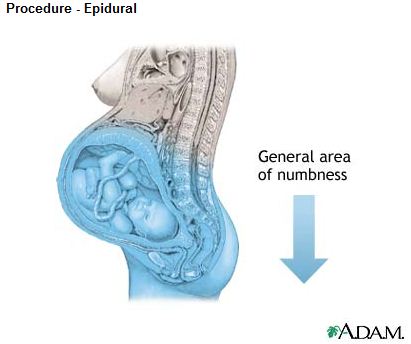
Epidural is a popular technique of regional anesthesia. It is called regional as it blocks sensation– pain at a certain part region of the body.


How does it work?

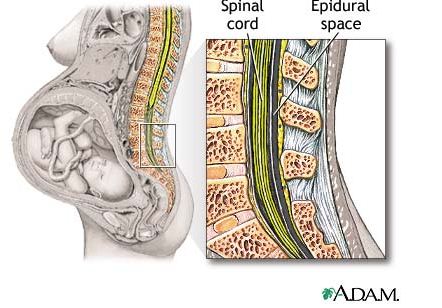
It works by stopping the pain signal transmission at the lower nerves of the spine.As a result it numbs the lower part of the body. This is achieved by a “cocktail” of local anesthetic medication and special opioids.


Read more about how epidural is set up what are the advantages and disadvantages using it as pain relief for your labor


How is it set up?


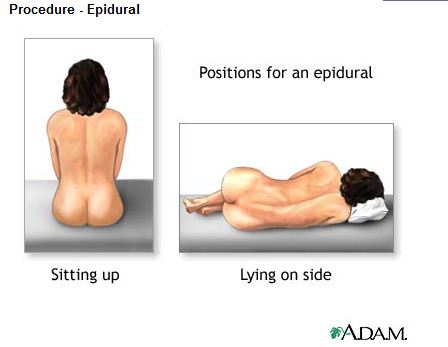
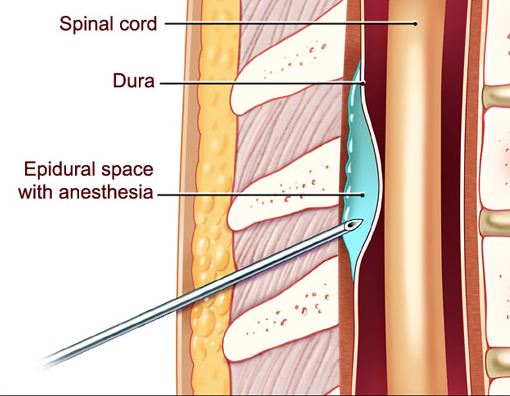
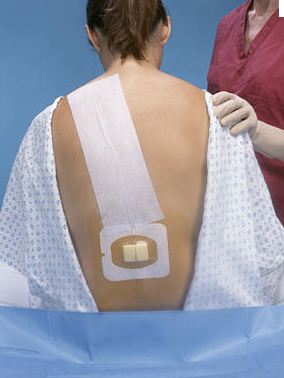
The nurse or the midwife will first place a cannula to have access to your veins and ensure that you receive intravenous (through the vein) fluids. This is maintained throughout the labour. Then the anesthetist will come to set the epidural. They will usually either ask you to sit up or lie on your side. In both cases they will require you to try and arch your back  “like an angry cat” you may hear them say. This helps them a lot to find the right space for placing the epidural catheter. 
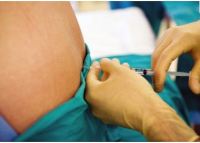

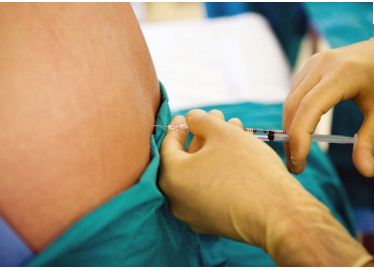
The anaesthetist will use an antiseptic solution to clean your back in order to minimise the risk for infection. Using a fine needle he will inject local anesthetic and numb the area he is planning to place the epidural catheter.


He will then insert a needle via the numbed area to the epidural space. You usually feel a pushing sensation at that point. Using the needle as a guide he threads a very thin plastic tube to the epidural space.
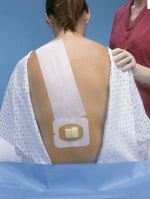


Then the needle is removed and the catheter is secured with plastic tape. This catheter is used to deliver the medication during the labour. This initially is done by a direct bolus injection followed by a continuous infusion


What are there different types of epidural used in labor? What is a walking epidural?


There are essentially two variations of the epidural technique used. 


1. Routine Epidural ; as described earlier


2. Combined Spinal Epidural (CSE) or “walking epidural”. The difference with this technique is that by using a special very thin needle the initial dose of medication is given to the intrathecal space (a layer further in from the epidural space). The advantage of this technique is that it has its effect much faster and also preserves your motor control (ie you can control you muscle better) allowing to move more freely at your bed. Although it is called walking epidural it is not commonly recommended to walk as your balance with be affected. 

Each Hospital unit uses customised protocols regarding the medications and instruments used.


2.What are the side effects – complications of the epidural in labour?


1. You may feel shivering, nausea, or itching on some occasions you may experience backache or soreness where the needle was inserted.

2. It may cause a sudden drop of your blood pressure (BP). The midwife should keep a close eye on the BP and ensure you are receiving adequate fluids. In some cases the anesthetist may have to give you specific medications to deal with very low BP


3. On occasions you may have breakthrough pain or not complete coverage of the pain. Usually the anesthetist will try to remedy this by extra doses of medication or on occasions replacing the epidural catheter.

4. Severe headache. This complicates about 1% of procedures and it is due to leakage of spinal fluid from the site of the needle placement. It can be devilishly severe headache and usually is aggravated by movements. Most of the time the treatment is conservative with painkillers and hydration but some times a procedure called “blood patch may be offered to improve symptoms.
Normally the anesthetist will come and fully explain what happened and follow you up.

5. Very rarely, severe infection or nerve damage can be caused by the insertion of the needle

How will an epidural affect my labor?

Positive effects


• It is the best mode of pain relief available for labor pain. It allows you to get some rest during labor.


• It can be used to cover medical procedures like instrumental deliveries, repair of tears or episiotomy even a Cesarean section if needed.

• It is easier to control the delivery of the fetal head as the extreme pain element is not there.


• It allows you to be alert with a clear mind throughout labor. This helps mothers to “enjoy” the labour without the pain. Many find crucial to be able and maintain a clear mind and decision making ability without being distracted by the relentless contraction pain.


Negative effects

• More medical interventions; you will need access to your veins, continuous monitoring of your baby. It is more common that you will need syntocinon – oxytocin to ensure good strong contractions and it is recommended that you have a urinary catheter to help you empty your bladder. These are common tasks and in some units many will be done anyway even if you do not have an epidural.

• You are confined to your bed.

• It is more common to need help with the use of a ventouse or forceps to deliver the baby especially if you have a “heavy epidural” meaning very little muscle control. 

Myths


Do Epidurals increase the risk for CS? NO. There is now good evidence that the CS rate is not increased using an epidural.

Do epidurals increase the length of labor? Yes by 15 min. So a well-managed epidural is not expected to have any significant effect to the length of labour.

Do epidurals affect my baby? A well working epidural does not affect your baby’s well being. However side-effect like sudden drop of your blood pressure can cause fetal distress if not dealt timely and appropriately.


When is the earliest stage in labour that I can have an epidural?


The common advice is to opt for an epidural at the active phase of the first stage of labor i.e.| 3-4 cm dilatation of the cervix with regular contractions.

In reality if you need pain relief and either you membranes have ruptured or they are accessible and can be ruptured you can have an epidural.


Are there situations that I will be refused an epidural if I ask for one?

1. You are in advanced in labour and the team feels that you will deliver before they have time to provide you and effective epidural.

2. The anaesthetist is busy or there isn’t enough staff to look you after safely. On occasions in very busy labor wards there might not be enough trained staff to safely look you after with an epidural.

3. You take medication that affect how your blood clots like heparin or warfarin or your pregnancy is complicated by conditions that affect your bloods clotting ability. In these situations there is risk for having a bruise – hematoma at the place of the needle insertion. Given that the spinal canal is a confined space, hematoma can affect adversely your nerves and spinal cord.

4. You have or suspected to have an infection that has spread to your blood stream

What should you do in advance ;

Mother-

It is important to discuss your pain relief options when you are building your birth plan with your midwife / obstetrician. This will allow time,  at a non stressful environment to explore the options available for you. It will make it possible to bring to light your fears and answer your questions.

  • The D day                                                                                                                                                                                              
Inform the staff that is looking after you regarding your preferences for pain relief. 

Be flexible, realistic and ready to adapt. Now, this can be very challenging given that there is a good chance that you will be anxious, tired and in a lot of discomfort. 

Labour wards can on occasions be very busy places. You have the disadvantage that you are not usually aware of what else is going on at the floor. So  make your midwife your best friend – ally. Let her know what you want for pain relief and listen to her advice. Ask her to help you in choosing the better time for the epidural. Although you are the one in pain the midwife will know what is happening at the rest of the labour ward rooms, how busy the anaesthetist is and whether there are any cases that may have an impact on staff availability when you need your epidural. 

Obstetrician Risk assessment

Your obstetrician should be able to identify factors that can may make regional anesthesia more risky and difficult. Typical examples are ; previous spinal injury or spinal operations, scoliosis, high BMI. Particular fears like fear of needles or a bad previous experience can make the procedure very difficult.
Be forthcoming with your Doctor and let him/her know if you have particular worries about pain relief in labour.  

In these cases early review preferably  by a senior anaesthetist will help appropriate planning for the delivery day. 

 Dr George Michailidis, Obstetrician and Gynecologist 

Fetal and Maternal Medicine Consultant 
N9ne Medical Institute , Dubai UAE


Leave a comment

Best Sleeping position in late pregnancy

Best sleeping position in Pregnancy 

What is the best position to sleep in late pregnancy? This is a question frequently asked by pregnant mums. Some will go even further and carry on  “I am terrified when I wake up and realize that I am sleeping on my back… am I hurting my baby?
Some publicity has recently been stirred up on this issue after a BMJ article that claimed an association between sleeping position and pregnancy complications.

My advice; Just listen to your body and enjoy you sleep. 

read more for more info on the subject 


Medics have to study, explore and understand human physiology as a way of improving mothers’ health. But on the same time have the obligation to report their findings in a sensitive and constructive manner.


Both the editorial and rapid responses highlight the shortcomings of this work;
  1. For the cases with problems the interview took place 2-3 weeks after the event. Now seriously…. how reliably can you remember how you slept or woke up even for the day before let alone a few days back. You would expect a more rigorous approach in validating the tools-questionnaires ensuring first that they actually measure what they supposed to before reaching conclusions.
  2. For almost half of the cases the babies did not undergo postmortem / placental examination so exclusion of other reasons that are more likely have this outcome was more than inadequate.
  3. The difference mentioned,  even after all the above, was from 2/1000 to 3.93 /1000. The authors concluded that the risk stating “doubled” . Although in stirct terms this is true  in absolute numbers the difference is miniscule. 
Yes there is some evidence of changing of the perfusion of the uterus when a mother is lying on her back. This is relevant when the mothers are placed in such position; ie during an ultrasound examination or a clinical examination or operation. This is why clinicians will ensure the mother will be placed with a lateral tilt or elevate the back of the bed appropriately.

However mothers instinctively will, as anybody else,  change their position when this is uncomfortable for whatever reason. Although the studies are sparse there are suggestions that support the logical idea that pregnant women will naturally adopt positions less likely to cause aorto caval compression. 

In conclusion; yes we should further explore the physiological changes during sleep but do that by developing well validated tools. 
So Please Enjoy your Sleep.
Sleeping in the third trimester is hard enough anyway. Heartburn, active baby, heat constant need to go to the toilet.
There is no need to add extra worries (especially with issues that are very difficult to control ie sleeping position)

… just listen to your body  

Dr George Michailidis, Obstetrician and Gynecologist 
Fetal and Maternal Medicine Consultant 
N9ne Medical Institute , Dubai UAE

Relevant articles
Mills GH, Chaffe AG.
Anaesthesia. 1994 Mar;49(3):249-50.
Farine D, Seaward PG.
J Obstet Gynaecol Can. 2007 Oct;29(10):841-2.
BMJ 2011;342:d3659


Leave a comment

Pain relief in labour; psychoprophylaxis, relaxation, pethidine, epidural. What is the best option? Part 1 labour pain, psycho prophylaxis

Pain relief in labour; psychoprophylaxis, relaxation, pethidine,  epidural.  What is the best option?

Part 1 labour pain, psycho prophylaxis

One of the common discussion points during the preparation of the birth plan are the pain relief options during labour.
Understanding the labour pains;
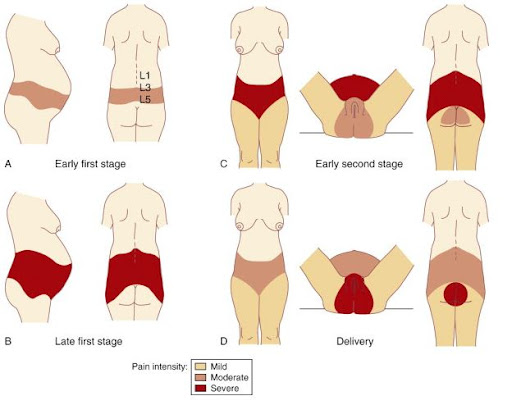
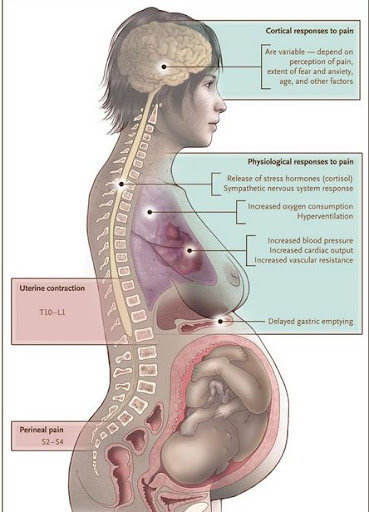
Labour is a painful process. During active labour the contractions come about every 3 min and last a good 40 sec. During the first stage of labour (when the neck of the womb is opening up) women have generalised abdominal (tummy) pain mainly originating from the contracting uterus (womb) and the dilating cervix (neck of the womb). During the second stage of labour (when the mother tries to push the baby out) more sharp pain comes from the distension – stretching of the vagina and the perineum by the baby’s head.  All women do experience pain during normal labour and most would describe this pain becoming very intense at some point during labour.
The threshold for pain is different for different people. Even for the same person how much pain she can tolerate changes depending on her physical and emotional state. In general our pain threshold becomes lower as we get more tired and more anxious.
Pain is a complex phenomenon. It has both a sensory (what our nerve fibres transmit) and an emotional part (how our brain interprets the signal) and a great ability to get our attention and dominates over other cognitive (thinking and emotional) processes.
There are two main approaches in dealing with labour pains
1.       Non pharmacological / psycho-prophylactic  approach
2.      Pharmacological (use of drugs)
Psycho prophylaxis;
It includes a number of methods that help the mother deal with labour pains. Examples are gentle massage, relaxation techniques, breathing exercises. One of the most well known is the Lamaze approach to childbirth ( www.lamaze.org ).

At their web site you can find a wealth of information for pregnancy and childbirth.

 These methods do not change the intensity of the pain but they do alter the perception of pain and they reduce maternal suffering.  Although pain and suffering usually occur together it is possible in the same way that you can have suffering without pain to have pain without suffering. Psycho prophylaxis helps women interpret the pain as a normal part of labour so they do not feel threaten from it and find it easier to cope with it.
Different methods have different approaches but one of the great advantages of all is that they include extensive education regarding the normal labour process. By providing quality education they prepare the mother to deal with it better and reduce the anxiety of the unknown.
One major disadvantage is that some of the teaching settings is the following; while dealing with pain without medication is praised, use of drugs is considered as failure. Achieving a balanced approach is the best way forward. Rather than adopting a hard line approach for everyone, having personalised plan for each client works best.  By putting the mother as the centre piece of the birth plan it is possible to cater for the individual needs and wishes.  This avoids the huge emotional stress and negative feelings of failure that some women are left with when they decide to use medications for pain relief.

Fetal & Maternal Medicine Specialist
Obstetrician & Gynecologist
N9ne Medical Institute Dubai
http://www.9medical.com