

Nutrition in Pregnancy; Vitamin D
Over the last few years a number of studies have highlighted vitamin D deficiency as an important risk factor for pregnancy complications. Epidemiological studies have linked vitamin D with conditions like diabetes, low birthweight, pre-eclampsia. There is also good evidence that extreme deficiency can lead to neonatal rickets and bone fractures.
Despite this the ACOG has issued a statement that routine screening for vitamin D deficiency is not recommended in low risk women. This was based on the lack of good quality evidence to inform general public recommendations.
Let’s try and review some facts about vitamin D.
What is a Vitamin D ? What does it do?
It is a fat soluble vitamin that helps our body to regulate the amount of calcium and phosphorus. Both of these minerals are very important for our bones and teeth.
How do I get it?
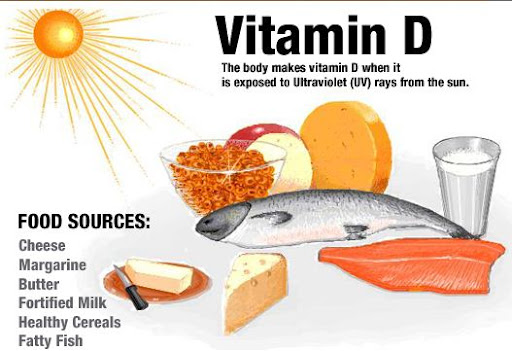
·Few foods have vitamin D. Good food sources are oily fish (like sardines) and eggs.
·In many countries governments add vitamin D to milk, fat spreads or breakfast cereals.
·However the largest amount is produced by our body at our skin when this is exposed to sunlight.
Most people with a healthy diet and enough sun exposure do not need vitamin D supplements.
Read more about who is at risk for vitamin D deficiency and find out answers on common question about vitamin D supplementation in pregnancy
Who is at risk for vitamin D deficiency?
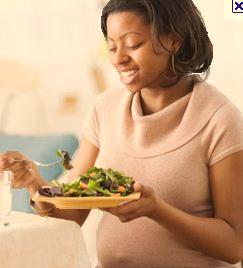
·People older than 65
·Obese people
·People with dark skin ( such as Africans)
·People who have limited sun exposure.
oThese can be people who live indoors for long periods of
time,
opeople who routinely cover up their skin for religious and cultural reasons
o people who live in countries with limited sunlight throughout the year .
·Pregnant and breastfeeding mothers
What is the right dose for supplementation?
For most adults not at high risk groups 600iu/day is adequate. Doses up to 4000IU/day are considered safe.
Questions
I am planning to get pregnant; I am worried and confused what to do?
·If you not in any of the high risk groups there is no need to be particularly worried. Following a healthy diet with reasonable sun exposure is the best and should be enough. You may consider pregnancy multivitamin that will have a combination of folic acid, vitamin D and other useful micronutrients particularly if you have a hectic urban professional lifestyle.
·If you are at a high risk group (this would apply to many women from the Middle East – UAE as well as mothers from the Subcontinent) and especially if you have multiple factors ie limited sun exposure, overweight, multiple pregnancies with short inter-pregnancy interval, young age etc;
oIt is best checking your vitamin D levels before pregnancy. This will allow you time to correct possible deficiencies before pregnancy.
oThis can be done effectively with high doses of vitamin D.
oThe safety of these high dose regimes has not been established in pregnancy and is better avoided.
I am pregnant but not in any of the risk groups for vitamin D deficiency you have mentioned what should I do?
Ensure a well-balanced diet and consider a branded pregnancy multivitamin (usually contains about 600-800 IU of vitamin D).
I am pregnant and I have multiple risk factors for vitamin D deficiency from the list above what should I do?
·Best discuss with your Obstetrician.
·Measuring vitamin D levels in pregnancy can be helpful. It has some limitations as the normal reference values in pregnancy are not well establish.
·Higher doses of vitamin D 1000- 2000IU are safe and would be appropriate for you.
·If you have low levels for vitamin D it appears that upper limit 4000IU daily can be safely given (as suggested by the Institute of Medicine) and is more likely to normalise your vitamin D levels.
Dr George Michailidis, Obstetrician and Gynecologist
Fetal and Maternal Medicine Consultant
Links

