Pregnancy in Dubai

Advice & information on common pregnancy problems by a Fetal & Maternal Medicine Consultant


Leave a comment

Preterm birth and cervical length screening in Dubai

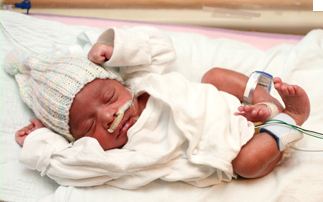
Preterm premature birth is the leading cause of neonatal death and long term morbidity. It has a huge impact in the affected families with both physical and psychological implications. From the provider health-care system point of view employing effective screening and treatment methods translates in major good outcome benefits including great health care savings.


The American College of Obestrics and Gynecology and the Society of Maternal Fetal Medicine have recently published their position on the issue of screening and prevention of preterm birth. 
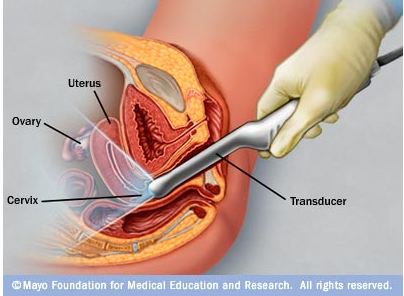
Both Societies  acknowledged the importance of cervical length as a predictor of preterm labor and the efficacy of vaginal progesterone in improving pregnancy outcomes 


In summary the some of the SMFM recommendations are the following
1 In women found to have a prematurely short cervix are at high risk for preterm labour and should be treated

2 Use of progesterone is associated with lower risk for preterm birth in some pregnant women, as well as with better neonatal outcomes
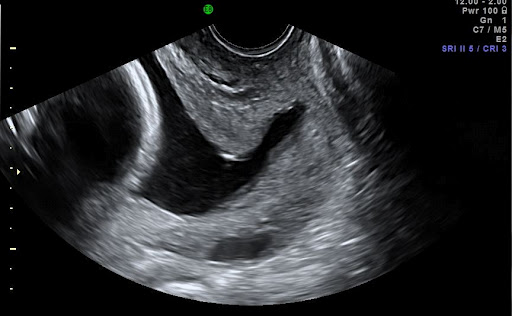
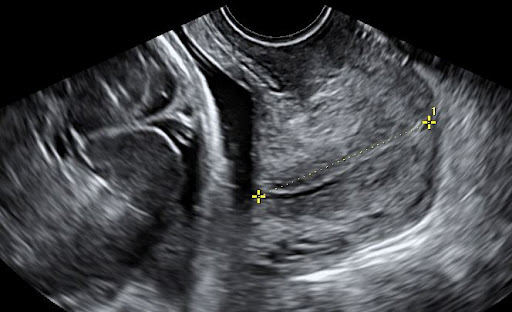
3 Because of the high prevalence and public health burden of preterm birth, experts recommend universal cervical length measurement, which meets World Health Organisation criteria for an effective screening test.

Preterm labor in Dubai there are additional issues that the family physician need to consider. The availability and of neonatal unit beds, the high costs of care for the baby, the rather fragmented after care. See our blog What you need to know about preterm labor in Dubai.

The best approach is prevention. A methodical approach including your detailed history and Cervical measurement done by qualified and experienced clinicians is likely to give the best results. Discuss with your obstetrician the best way to tackle preterm labour.  Feel free to contact us for further information.


Dr George Michailidis, Obstetrician and Gynecologist 
Fetal and Maternal Medicine Consultant 


Addtional resourses 


Berghella, V., The Society for Maternal-Fetal Medicine: 
Publications Committee, Progesterone and Preterm Birth Prevention: Translating Clinical 
Trials Data into Clinical Practice, American Journal of Obstetrics and 
Gynecology (2012), doi: 10.1016/j.ajog.2012.03.010.



Leave a comment

Packing your bag for Labor in Dubai – what is best to bring to Hospital for your labor

What is best  to pack for the hospital

Packing your bag for Labor in Dubai – what is best to bring to Hospital for your labor 


Your stay at Hospital may be from one to four days. A bag should be prepared with clothes and supplies to help make your stay most comfortable.  
Some mums might decide is best to prepare two separate bags one for labor and one with all those things that you will need only after you have given birth.
It would be a good idea to prepare your bag from 37 weeks as for most mothers  there is a good chance to start your labor deliver in the period 38-41 weeks.
Here are a few suggestions / advice on what is best to pack for hospital…


For labor – Mum

 ID;
·Copies of Passports for Mom & Dad,
·Marriage Certificate ( the last one you will need for registering the baby afterwards in Dubai UAE )
·Insurance cards
Antenatal Notes/Booklet your birth plan
Your eyeglasses / contact lenses
Clothes;
·Pyjamas – nightgown
·a few underwear
·a couple bras and perhaps include a nursing bra
·slippers
· consider a robe that you can wear to walk while in early labor
Toiletries are supplied in each hospital room but you may want to bring your own
·toothbrush, toothpaste
·shampoo,
·sanitary pads…
Additional items that some parents may want to enhance your labor experience and help them relax :
·Pregnancy Pillow (a colourful pillow case will make it stand out from the hospital ones)
·Music/movies/ipad – may need to find some good apps /laptop/books –magazines especially if you are having an induction of labor as it may take some time before you are in strong labor.
·Birthing balls are provided (but you may bring your own)
·Water Bottle/ mints or candies/ Lip Balm/.

·Some people find pictures of loved ones useful to focus on and relax
·Tens Machine are not provided, but you may bring your own


what the father should pack for labour

For your partner

·Mobile phone (& Charger),
·laptop wireless is available!
*And most important, a Camera / camcorder ! (Charger/ batteries/ memory cards)
·Comfortable shoes / clothes. Partners at the best private maternity hospitals in Dubai are usually allowed to stay with you during labor and can stay in the room after delivery


For Baby

·4 sets of 
vreceiving blankets
vSleepers
vUndershirts/’onsies’ Baby hats/toques
·One warm blanket
·One package of newborn diapers, and baby wipes
·A “Going Home’ Outfit!

Additional Things that you will need after labor

Clothes;
Nursing bras, comfortable regular bras (your breasts will be swollen and tender)
Maternity under pants. Many mothers will use the hospital provided mesh underpants.
The clothes you will wear to go home. Should at best be comfortable as you expected to still have a tummy after delivery.


This blog was prepared with the help of  
Kim F. midwife


Dr George Michailidis, Obstetrician and Gynacologist 
Fetal and Maternal Medicine Consultant 


Leave a comment

Screening for Down’s syndrome in twin pregnancies.

Screening for Down’s syndrome in twin pregnancies.
Twins and higher order multiple pregnancies are increasingly becoming more common. Fertility services have had a major impact in the changing incidence of multiple pregnancies. 
This is especially true in Dubai. Social pressures to achieve pregnancy quickly, private medicine practices, higher average income; all make couples more likely to see a fertility specialist.
Having some of the best fertility specialists practicing in Dubai and the neighbouring emirates results in more twins and multiple pregnancies. 
Twin and higher order multiple pregnancies pose extra challenges even for the best obstetricians when it comes to screening and diagnostic tests forDown’s syndrome (T21). 
1. Age related risk 
In Dubai the female population has its own distribution with more mothers in the age group of 35 -40. This is due to the structure of the expatriate group who tend to be higher end professionals and their families at their peak of their carriers. Screening and diagnostic tests for Down’s syndrome T21 are even more important for these mothers due to their high background risk (age related) for chromosomal anomalies. Twins naturally tend also to be more common in mothers of advanced age. 
2. Twins; double the risk ?
 
As we mentioned at an earlier blog for twin pregnancies determining thechronicity (i.e. monochorionic or dichorionic twin pregnancy) is of paramount importance. Without getting in detail about pregnancy complications like twin to twin transfusion syndrome regarding the risk for T21 you should know the following;
a. Monochorionic twins ; they are identical twins. One embryo splits at an early stage resulting in 2 fetuses (babies). Both babies have the same genetic information and the risk for T21 (Down’s sydrome) is THE SAME as if there was ONE only baby.
b. Dichorionic twins; they are most commonly fraternal – non identical twins (90%). The risk for each one of them being affected by T21 is calculated individually meaning each baby has its own risk.
The risk for ANY ONE of them being affected by T21 is the calculated by ADDING the two risks. 

baby one risk 1/100  baby two 1/200  calculated risk 3/200 1.5/100  approx 1/66
3. Nuchal translucency in monochorionic twins

In monochorionic twins increased nuchal translucency in one baby can be a sign of twin to twin transfusion syndrome.
4. What about the blood tests for Down’s syndrome?
Although they seem to improve somewhat the overall results of the test their influence is not as strong as in singleton pregnancies. Only recently publications dealt with reference range specific for twins. Their results must be very carefully interpreted. 
In cases were pregnancy has started as twin and one of the babies has not developed – miscarried, blood tests for Down’s syndrome may give very misleading results. 
First trimester screening by using the nuchal translucency and other markers (nasal bone etc) is the best option for screening for Down’s syndrome.
First trimester ultrasound scan that screens for major structural anomalies, determines the chronicity, determine the gestational age and screens for T21 is your best option. 
4. What are you going to do faced with a positive high risk for Down’s result?
This should be best discussed with your Doctor before the test. Good Obstetricians will explain your options for both the best screening and diagnostic tests. The screening should be performed by the best qualified professionals.
A fetal medicine specialist should be involved when diagnostic tests like amniocentesis or chorionic villus sampling CVS are considered due to the complexity of the procedures and the increased risks.
Discuss screening with your Obstetrician / Fertility Doctor. They should be able to give you good advice and refer you to a reliable Medical Institute for screening.
Dr George Michailidis, Obstetrician and Gynecologist 
Fetal and Maternal Medicine Consultant