What you need to know about premature labor and delivery in Dubai.
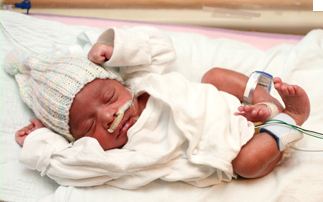
What is premature (preterm) birth ?
Premature or preterm birth (delivery) is defined as a birth that takes place before 37 completed weeks of pregnancy. Unfortunately preterm labour is a relatively common pregnancy problem, up to 12.7% of births in the US were premature . Although some of preterm births are due to medical intervention the majority (75%) is due to spontaneous preterm labor. Preterm delivery is usually subdivided it in the following groups;
Late preterm birth when it occurs between 34-36 weeks
Moderately preterm birth when it occurs between 32-34 weeks
Very preterm birth when it occurs between 28-31 weeks
Extremely preterm when it occurs before 28 weeks
APPROXIMATELY 2% OF ALL PREGNANCIES DELIVER BEFORE 32 WEEKS.
Significance of preterm birth.
Up to 50% of deaths in babies born without abnormalities are related to problems caused by been born prematurely (CEMACH 2000 -2003). The following is the neonatal death rates in the UK as it was reported at the 2008 CEMACH publication.
Warning signs of Preterm labor
the following are common complains of women who eventually get in preterm labor.
□Increase in the amount of vaginal discharge. Usually the discharge changes in type and becomes watery or sometimes bloody.
□Pelvic or lower abdominal pressure.
□Constant, low, dull backache
□Mild abdominal cramps.
□Regular or frequent contractions or uterine tightening, often painless
□Ruptured membranes (your water breaks with a gush, or sometimes even a trickle of fluid)
What are the common risk factors?
|
this is a useful list that appears at the ACOG website Risk Factors for Preterm Labor
Check any box that applies to you:
□You have warning signs of preterm labor.
□You have had preterm labor during this pregnancy.
□You had preterm labor or preterm birth in a previous pregnancy.
□You smoke cigarettes or use cocaine.
□You are carrying more than 1 baby.
□You have an abnormal cervix (due to surgery, for instance).
□You have an abnormal uterus.
□You have had abdominal surgery during this pregnancy.
□You have had an infection while pregnant.
□You have had bleeding in the second or third trimester of your pregnancy.
□You are underweight.
□You had a mother or a grandmother who took DES (diethylstilbestrol, a medication given to many pregnant women in the 1950s and 1960s).
□You have had little or no prenatal care.
□You have a child with chromosomal disorders.
If you checked any of these boxes, you may be at risk for preterm labor. Despite what is known about these risk factors, much remains to be learned about preterm labor. Half of the women who go into preterm labor have no known risk factors.
|
Screening for premature labour.
A comprehensive history will should alert your obstetrician regarding the risks for preterm birth. Unfortunately most of cases of preterm birth occur in women with no obvious risk factors.
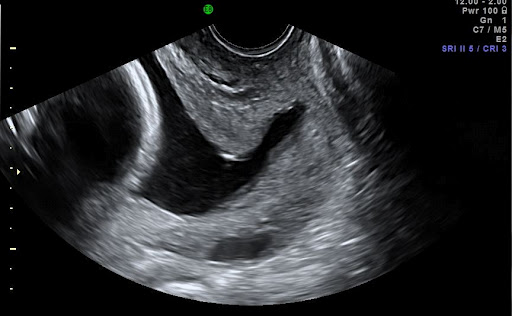
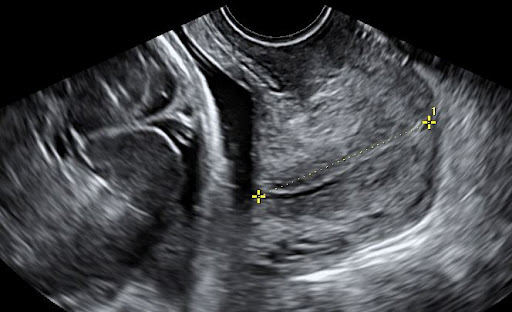
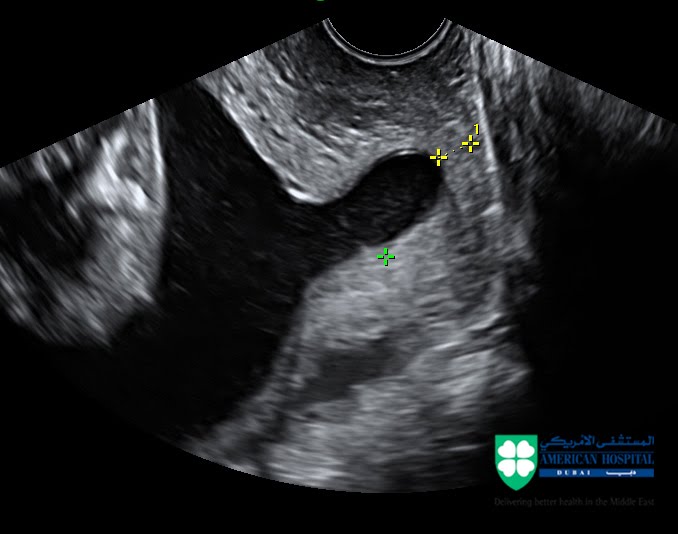
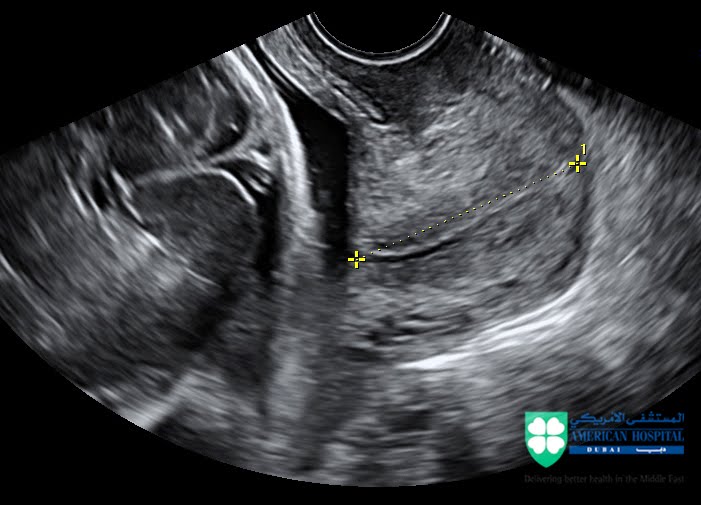
Measuring the length of your cervix is a powerful tool in indentifying those women at risk for preterm birth. This is especially important for pregnancies before 34 weeks when the impact to the baby’s wellbeing is greatest.
The mean measurement for the cervical length at 22-24 weeks is 36 mm. A short cervix <15mm is found in 1% pregnancies and about 30% of them will deliver before 34 weeks.
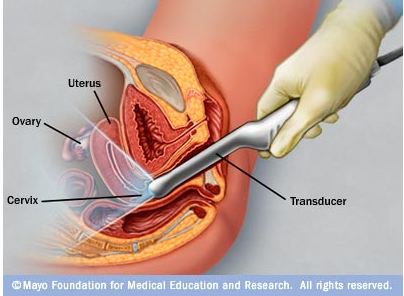
THE CERVIX SHOULD BE MEASURED BY A TRANSVAGINAL (INTERNAL) SCAN. Abdominal (through your tummy ) scan although can alert in case of an opening cervix does not produce good quality measurements.
The Fetal Medicine Foundation offers a comprehensive video lecture that deals with the role of screening for preterm labour by measuring the cervical length.
MAKE SURE YOU OBTAIN A WRITTEN REPORT of the finding as well as images that demonstrate the cervical length measurement. This is essential for tracking the changes of you cervix.
Prevention and treatment options.
The purpose of screening for preterm labour is to offer interventions that can prevent or at least reduce the risk for extremely and very preterm labour and delivery. Working with a good obstetrician will ensure that you draft the best management plan for your pregnancy. This should be personalised to suite your needs and be based on the best evidence.
A few points worth mentioning ;
- Traditionally bed rest was advocated as a way of reducing the risk for preterm birth. Unfortunately till now no major study has shown any significant advantage in strict bed rest regimes. On the contrary there are serious risks directly associated with bed rest in pregnancy like deep vein thrombosis. Discuss your life style with your doctor who should be able to give you good advice regarding your daily activities based on your case review.
- Cervical cerclage. Cervical cerclage has its place in selected cases. By including ultrasound screening a good obstetrician should be able to reduce the need for unnecessary interventions.
- Progesterone supplements; This is the only intervention that has shown good results in preventing extreme preterm labour in singleton pregnancies.
Your doctor after assessing carefully the factors mentioned should be able to provide you with the best care plan for your pregnancy.
Dubai realities and premature labour
There are a number of factors that especially expatriots should keep in mind in cases that are at high risk for preterm labour and delivery.
- 1.Availability of neonatal intensive care beds. At the moment even the large private units only support babies after 28 weeks of gestation. The main units that can care for babies under 28 weeks are Al Wasl Hospital and Dubai Hospital. Both units are heavily overprescribed and it can be difficult to find a bed for your baby.
- 2.Financial issues. Even when you deliver after 28 weeks the baby or babies (in case of multiple pregnancies) will have to spent a lot of time in an intensive care unit. The cost may easily spiral out of control. Make sure you know what you insurance is going to cover. Especially for those with higher order multiple pregnancies (triplets etc) make sure you budget for the event of extreme preterm delivery.
- 3.Choose your obstetrician and hospital carefully.
Dr George Michailidis, Obstetrician and Gynecologist
Fetal and Maternal Medicine Consultant
Useful additional reading :