Pregnancy in Dubai

Advice & information on common pregnancy problems by a Fetal & Maternal Medicine Consultant


Leave a comment

Elective birth at 37 weeks gestation safer for mothers carrying uncomplicated twins, new research suggests


Best time to deliver Twins !

Elective birth at 37 weeks gestation safer for mothers carrying uncomplicated twins, new research suggests | Royal College of Obstetricians and Gynaecologists: “BJOG release: Elective birth at 37 weeks gestation safer for mothers carrying uncomplicated twins, new research suggests

A recent Australian study addressed the question; when is the best time to deliver for a mother with an uncomplicated twin pregnancy. Twin pregnancies are frequently complicated by preterm birth (almost half deliver before 37 weeks) but for those with an otherwise normal antenatal course there has been some debate about the best time for delivery.
The Australian group looked at the outcome of 235 twin pregnancies. For those who elective delivered at 37 weeks the risk for adverse baby outcomes was significantly better (4.7 V 12.2%). There were no increases in the maternal adverse events with the intervention (1.7% for the 37 weeks V 5.9% for the standard care).
Dr George Michailidis, Obstetrician and Gynecologist 
Fetal and Maternal Medicine Consultant 


Leave a comment

Preterm birth and cervical length screening in Dubai

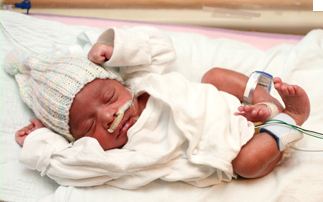
Preterm premature birth is the leading cause of neonatal death and long term morbidity. It has a huge impact in the affected families with both physical and psychological implications. From the provider health-care system point of view employing effective screening and treatment methods translates in major good outcome benefits including great health care savings.


The American College of Obestrics and Gynecology and the Society of Maternal Fetal Medicine have recently published their position on the issue of screening and prevention of preterm birth. 

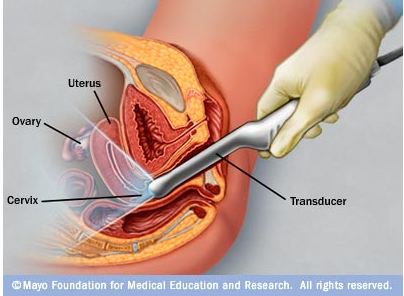
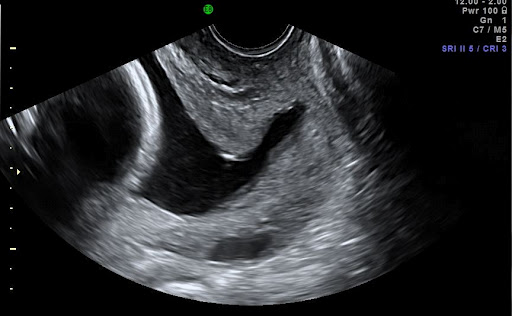
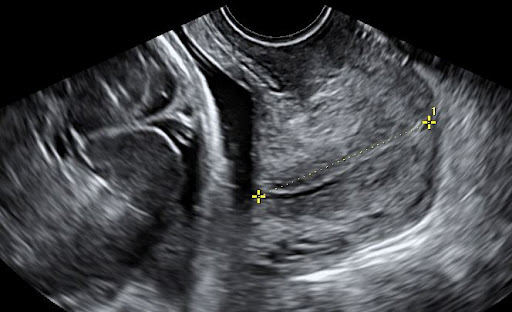
Both Societies  acknowledged the importance of cervical length as a predictor of preterm labor and the efficacy of vaginal progesterone in improving pregnancy outcomes 


In summary the some of the SMFM recommendations are the following
1 In women found to have a prematurely short cervix are at high risk for preterm labour and should be treated

2 Use of progesterone is associated with lower risk for preterm birth in some pregnant women, as well as with better neonatal outcomes


3 Because of the high prevalence and public health burden of preterm birth, experts recommend universal cervical length measurement, which meets World Health Organisation criteria for an effective screening test.

Preterm labor in Dubai there are additional issues that the family physician need to consider. The availability and of neonatal unit beds, the high costs of care for the baby, the rather fragmented after care. See our blog What you need to know about preterm labor in Dubai.

The best approach is prevention. A methodical approach including your detailed history and Cervical measurement done by qualified and experienced clinicians is likely to give the best results. Discuss with your obstetrician the best way to tackle preterm labour.  Feel free to contact us for further information.


Dr George Michailidis, Obstetrician and Gynecologist 
Fetal and Maternal Medicine Consultant 


Addtional resourses 


Berghella, V., The Society for Maternal-Fetal Medicine: 
Publications Committee, Progesterone and Preterm Birth Prevention: Translating Clinical 
Trials Data into Clinical Practice, American Journal of Obstetrics and 
Gynecology (2012), doi: 10.1016/j.ajog.2012.03.010.


Leave a comment

Hypothyroidism in pregnancy


Hypothyroidism in pregnancy

What is hypothyroidism?

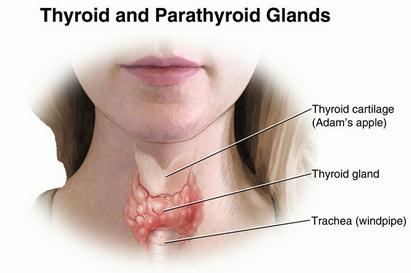
In our neck have a gland the thyroid gland. One of its main products is thyroid hormone. This hormone helps to control how the body uses and stores energy.

Hypothyroidism is medical term used to describe the medical condition when a person does not produce enough thyroid hormone.

What are the symptoms of hypothyroidism?

Mild hypothyroidism might be completely asymptomatic. However, most people with hypothyroidism feel tired. On occasions it is difficult to diagnose as there a lot of conditions that can make you tired.

Common symptoms of hypothyroidism include:

  • Lack of energy, feeling tired all the time
  • Feeling cold all the time
  • Developing coarse or thin hair
  • Getting constipated

In women, hypothyroidism can disrupt ovulation (production of an egg). As a result these women have irregular periods which can make it hard to get pregnant.
In women who do get pregnant, untreated hypothyroidism can cause problems. It has been clearly link with increased risk for a miscarriage and developmental / mental problems of the baby.
As you can see from the list of symptoms most of them common in normal pregnancies especially during the first trimester which makes it very difficult to diagnose mild form of hypothyroidism based on the symptoms.
Is there a test for hypothyroidism?
Read more about who is at risk for hypothyroidism and find out answers on common question about hypothyroidism in pregnancy

Yes. Hypothyroidism can be diagnosed by a routine blood test.

How is hypothyroidism diagnosed?

This is based on the levels of a hormone called TSH (responsible to make the thyroid gland produce thyroxine ) and the levels of T3 and T4 (two forms of thyroid hormone in our body).
Please note the normal TSH levels during pregnancy are the following (they differ from the accepted normal range in non pregnant women):

  • First trimester: less than 2.5 with a range of 0.1-2.5 mIU/L
  • Second trimester:0.2-3.0 mIU/L
  • Third trimester:0.3-3.0 mIU/L

Your obstetrician / GP will decide the best way to follow up depending on their expertise, the medical setting and the actual lab results.
In summary overt hypothyroidsm is best dealt/ treated with the help of your endocrinologist.
Untreated hypothyroidism can impair the baby’s mental development. It does also significantly increases the risk for preterm delivery, low birthweight babies, and miscarriage.
The value of treatment in cases of Subclinical hypothyroidism ( high TSH but normal T4 ) is still debated by some. There are studies that have shown lower IQ in children of untreated women.

Who should be tested for hypothyroidism in pregnancy?

Many obstetricians will include screening for thyroid problems in the routine early pregnancy testing. Some will try and target those at higher risk for hypothyroidism in pregnancy.
The following factors put women at increased risk for thyroid problems:

  • Age over 30;
  • Living in an area with known low iodine in the diet;
  • Personal or family history of thyroid problems, diabetes, history of miscarriage, infertility, or preterm delivery;
  • Overweight BMI of 40 or higher;

Given the higher average age of mothers in Dubai and the high prevalence of diabetes in Arabic and Middle East population most of antenatal patients would be eligible for testing even with a targeted approach.

What is the treatment for hypothyroidism in pregnancy?

The treatment of hypothyroidism in a pregnant woman is adequate replacement of thyroid hormone.
Ideally, women with thyroid disease should have their Thyroxine dose optimized before getting pregnant and should have their thyroid function tested as soon as pregnancy is detected.
 Thyroxine requirements frequently increase during pregnancy and the dose should be changed  by their physician as needed.
Important tip;
Iron containing prenatal vitamins can interfere with the thyroxine absorption. So make sure you do not take them at the same time an allow 2-3h between them. The best time to take your thyroxine is first thing in the morning.
You need to check your thyroid function regularly to ensure the adequate replacement of the thyroid hormone throughout the pregnancy.

Dr George Michailidis, Obstetrician and Gynecologist 
Fetal and Maternal Medicine Consultant 


Leave a comment

What is the role of a Fetal & Maternal Medicine Specialist – Perinatologist – in the care of a "high risk" pregnancy?

For most women, pregnancy is asmoothand incredible journey leading to the birth of their baby.However, some mayneedadditional preparation before they become pregnant, and a closer follow up during their pregnancy.These pregnancies are commonly called “high risk”. Fetal and Maternal Medicine has developed as a subspecialty of Obstetrics in order toprepareobstetricians and equip them with the appropriate skills to care for thesehigh riskpregnancies.

Fetal & Maternal Medicine Specialists, also known asperinatologists, are obstetricians who specialize in diagnosis andcareof women with complicated pregnancies. The services they provideincludepreconception counseling, detailed ultrasound examinations, fetal and maternalsurveillance. Multiple pregnancies, pregnancies complicated by diabetes or autoimmune diseases like SLE are typical examples of cases that are referredto aperinatologist. Fetal Medicine Specialists are the ones who will provide the initial counseling when fetal abnormalities are diagnosed.They have been trained to perform a number ofstateof the art diagnostic and therapeutic procedures while the baby is still in the womb.

Mothers will usually be referred to a Perinatologist by their obstetrician. The Fetal & Maternal Medicine Specialist works alongside with the mother’s obstetrician and helps to develop a personalized plan of care for each pregnancy. They also play aleadingrole in coordinating thecareof complex cases and ensuring appropriate arrangements are in place for thebaby’s birth. For example liaising with the neonatologist who will look after the baby after birth, the pediatric surgeon or pediatric cardiologist.

Being referred to a Fetal Medicine Specialist is not a reason to be alarmed or worried. In most cases is doneas a precaution in order to achieve the best plans for the pregnancy care. Some parents maychooseto see a specialist without referral from their obstetrician.

Dr George Michailidis, Obstetrician and Gynaecologist 
Fetal and Maternal Medicine Consultant 


1 Comment

High risk pregnancy

A commonly used definition for high risk pregnancy is the following; A pregnancy is characterised as high risk when the likelihood for significant complications is higher than average. How the care of these pregnancies is managed varies around the world. For the purpose of being referred to a Fetal & Maternal specialist in Dubai the following list outlines some of the common scenarios were our input can help the management of your pregnancy (Doctor’s referral form and self referral form);

Risk for
Referral for
Multiple pregnancies (twins dichorionic)
Chromosomal/structural anomalies
Preterm delivery
Growth retardation
First trimester screening for Down’s syndrome
Morphology scans
Growth scans and Doppler studies
Multiple pregnancies
(monochorionic twins)
As above plus the risk for TTTS (1/5)
It is good practice these pregnancies to be managed by a Fetal Medicine specialist.

Suspected Fetal abnormalities
Depends on the anomaly
Morphology scan, counselling 
Fetal surveillance


History of previous pregnancy by a affected congenital anomaly

Re occurrence
Preconception counselling,
First trimester and morphology scans.
Suspected fetal growth retardation

Fetal loss / or unnecessary pregnancy intervention
Serial growth scans
Fetal surveillance
Advanced maternal age

Chromosomal anomalies (like Down’s)
First trimester screening
Particular maternal medical conditions

Pre existing diabetes or GDM on insulin
Risk for congenital anomalies/macrosomia
Consider Full management by the FMU due to the frequency of scans visits it would be easier for these patients to be followed up by the FMU with aid of an endocrinologist

Hypothyroidism (treated Graves)

Risk of fetal hyperthyroidism
Fetal surveillance
Autoimmune disease (lupus , antiphospholipid syndrome, RA etg)

Risk of deterioration of the maternal condition/ growth retardation
Preconception counselling,
Fetal surveillance
Maternal cardiac disease
Risk of deterioration of the maternal condition/ fetal abnormalities
Preconception counselling,
Fetal surveillance,
Maternal surveillance with the aid of a cardiologist

Rh negative with positive antibodies

Risk for fetal anemia  -hydrops
Preconception counselling,
Fetal surveillance


Dr George Michailidis, Obstetrician and Gynecologist 
Fetal and Maternal Medicine Consultant